£39.99
In stock
9851 in stock
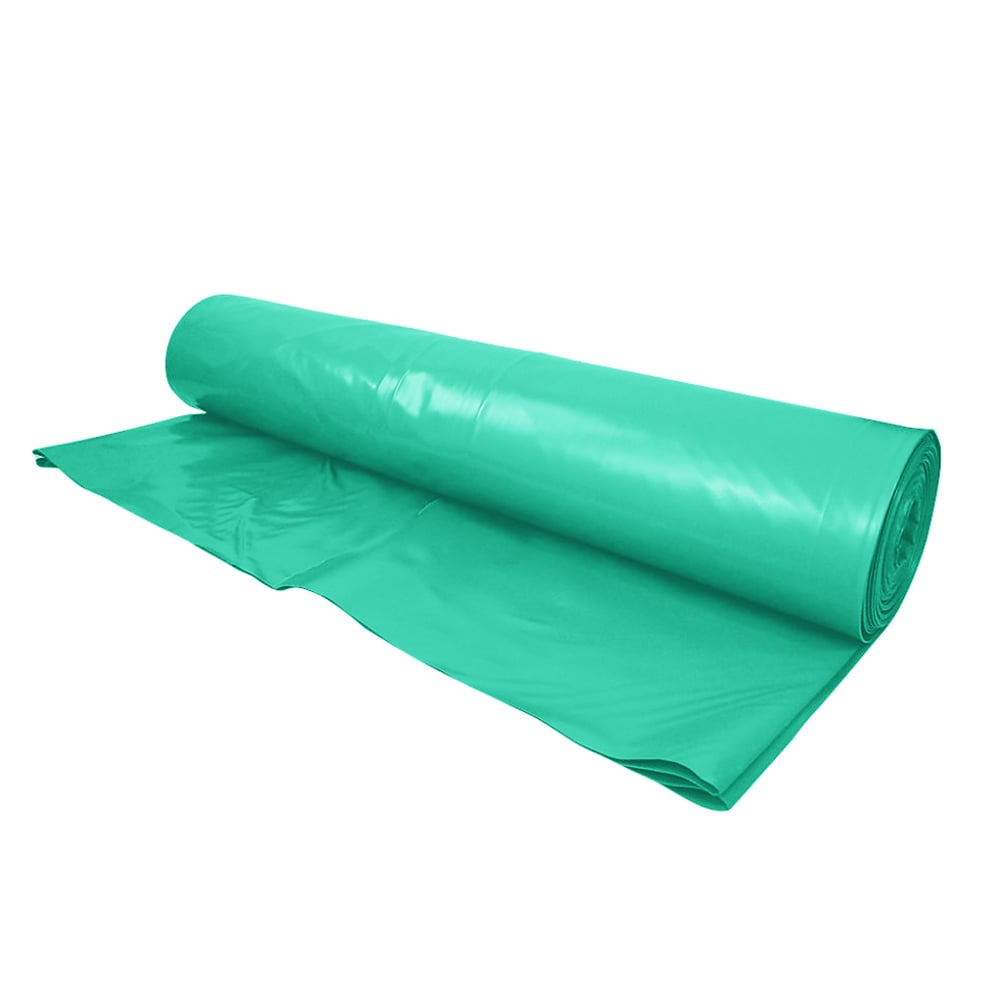
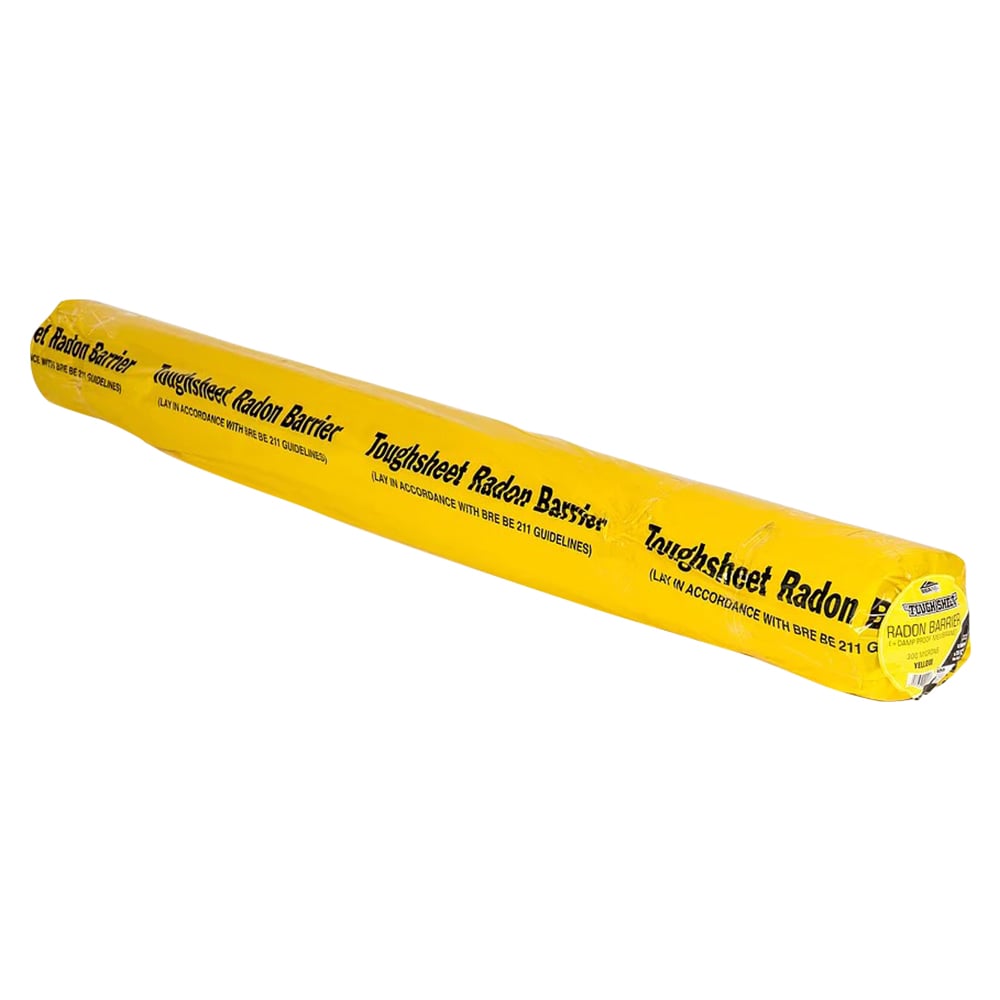
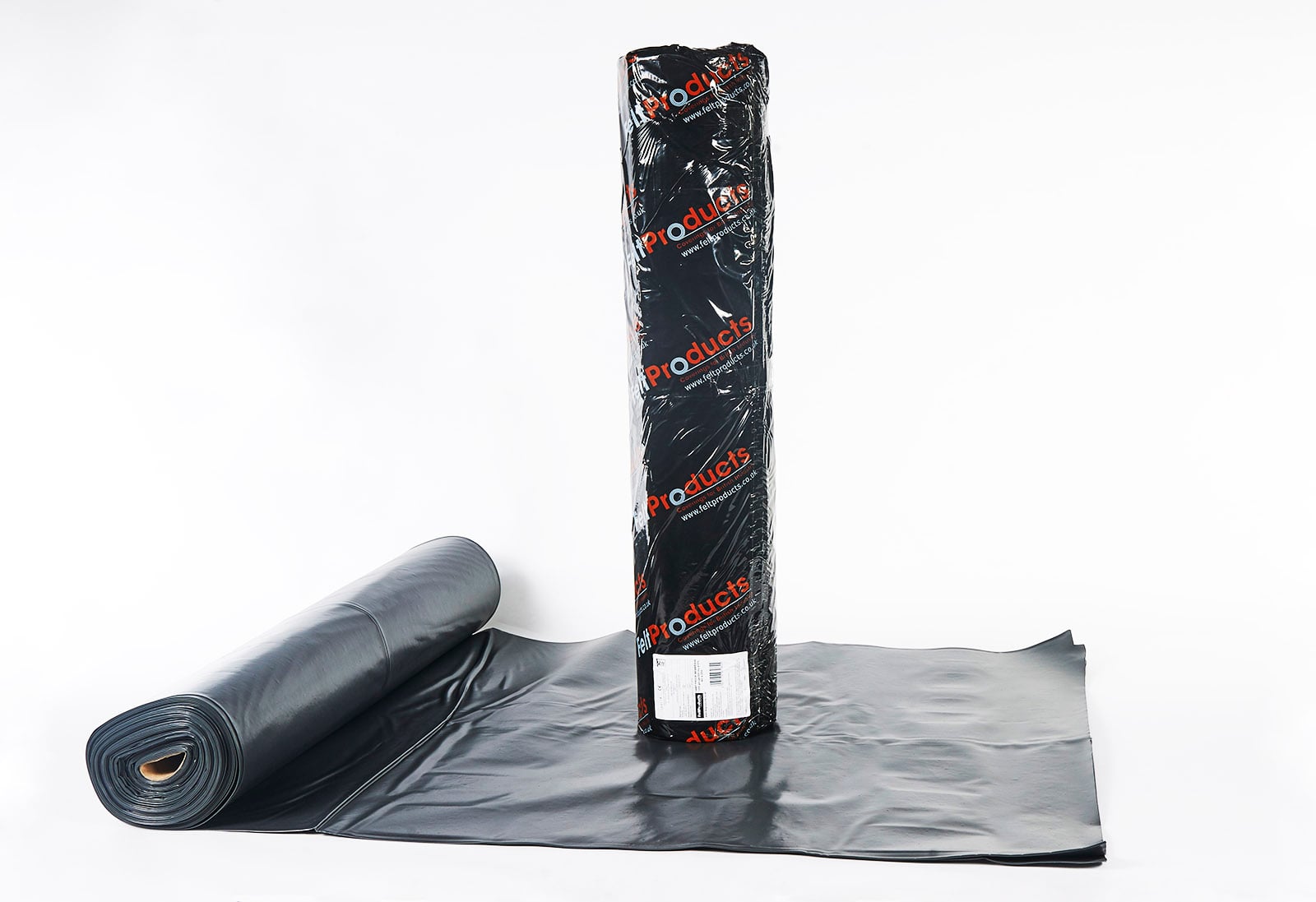
Protect floors, concrete slabs and building structures against ground moisture, rising damp and water penetration with this Heavy Duty Plus Damp Proof Membrane (DPM).
Manufactured from strong 1200 gauge / 300 micron polythene, this substantial waterproof membrane is designed to create a dependable moisture barrier beneath floors, flooring systems, concrete slabs and other suitable construction details.
Supplied in a generous 4m x 25m sheet, the membrane provides approximately 100m² of material before allowing for overlaps and detailing, making it an excellent option for larger domestic, commercial and trade building projects.
This 1200 gauge damp proof membrane provides an upgrade in thickness over standard 1000 gauge / 250 micron heavy duty DPM.
At 300 micron / approximately 0.30mm thick, the membrane provides a strong and durable sheet for construction projects where increased robustness is required.
It is ideal for customers searching for:
Polythene membrane thickness is commonly expressed using either gauge or microns.
For this membrane:
1200 Gauge = 300 Micron = approximately 0.30mm
The higher the gauge and micron measurement, the thicker the polythene sheet.
At 300 micron, this Heavy Duty Plus DPM is thicker than a standard 1000 gauge / 250 micron heavy duty membrane, providing a more substantial sheet for demanding building applications.
Each DPM measures 4 metres wide by 25 metres long, providing approximately 100 square metres of material before overlaps, upstands and cutting are taken into account.
The generous dimensions make it particularly useful for larger floor areas such as:
The wide 4m format can also help reduce the number of separate joints required across many floor areas.
A Damp Proof Membrane creates a physical barrier between the ground and the floor construction above.
Without an appropriate moisture barrier, ground moisture may travel through porous building materials and potentially affect the floor structure, insulation and internal finishes.
A correctly installed DPM can help reduce the risk of:
One of the primary applications for this Heavy Duty Plus DPM is beneath concrete floors and ground-bearing slabs.
Depending on the specified floor construction, a DPM can form part of a build-up incorporating:
The exact membrane position should always follow the relevant building design and project specification.
This product is marketed as a BBA Certified Damp Proof Membrane, making it particularly attractive for trade customers, contractors and building projects where independently assessed construction products may be specified.
Certification information should be checked against the requirements of the individual project before installation.
The current product specification lists CE Certification No. 1454 to EN 14909:2012 Type A.
This provides useful technical information for builders, contractors and specifiers selecting a membrane for damp-proofing applications.
For customers searching specifically for a certified 300 micron DPM, this is an important product feature.
The membrane has a specified watertightness greater than 2kPa.
When correctly installed as a continuous system, the DPM helps form a dependable barrier against ground moisture entering the floor construction.
Particular care should be taken around:
because breaks in continuity can allow moisture to bypass the membrane.
At 300 micron, this sheet is described as very strong and waterproof.
The additional thickness makes it suitable for applications where a more substantial membrane is desirable, particularly on active building sites where the DPM may be exposed during installation.
Typical site hazards can include:
The surface beneath the DPM should still be correctly prepared, and care should always be taken to avoid puncturing the membrane.
Despite its heavy duty construction, the membrane remains sufficiently flexible to work around normal building details.
It can be formed and positioned around:
This combination of strength and flexibility makes it practical for both professional and general construction use.
The DPM is specified as resistant to low temperatures down to approximately -25°C.
This is useful for building products that may be stored or handled during colder construction conditions.
Ground moisture can cause problems not only with concrete but also with the materials installed above it.
Potentially affected floor products may include:
A correctly specified and installed DPM helps separate these building elements from moisture originating in the ground.
Persistent moisture creates favourable conditions for mould and fungal growth.
By helping prevent water and moisture from passing through the floor construction, a correctly installed DPM contributes to keeping the building fabric drier.
This can help protect both structural materials and internal finishes.
The large 100m² sheet size makes this membrane particularly suitable for new-build floor construction.
It can be used as part of suitable damp-proofing details in:
Heavy Duty Plus DPM is also useful for refurbishment and extension work where new ground floors or slabs are being installed.
Typical projects include:
Always ensure the proposed installation complies with the relevant project design and building requirements.
Correct installation is essential for an effective moisture barrier.
When fitting:
Always follow the relevant project specification and applicable building requirements.
The floor Damp Proof Membrane and wall Damp Proof Course may need to connect to form a continuous damp-proofing system.
This junction is particularly important around the perimeter of the floor.
Correctly joining the DPM and DPC helps prevent moisture finding a route between the wall and floor damp-proofing systems.
Both products are used for damp protection, but their form and typical application are different.
A Damp Proof Membrane (DPM) is normally a large sheet used in floor and slab construction.
A Damp Proof Course (DPC) is normally supplied in narrower rolls and incorporated into brickwork or blockwork.
A complete building damp-proofing design may use both products together.
The strong polythene construction can also make this material useful for suitable temporary building-site protection.
Potential uses can include:
Suitability should always be confirmed where the product is being used outside its primary DPM application.
Customers choosing between different DPM thicknesses may find it useful to compare:
1000 Gauge DPM
1200 Gauge Heavy Duty Plus DPM
The 1200 gauge version therefore provides additional thickness for customers wanting a stronger membrane.
For even more demanding applications, a 2000 gauge membrane provides a further increase in thickness.
1200 Gauge Heavy Duty Plus
2000 Gauge Extra Heavy Duty
This allows customers to choose the membrane thickness best suited to the requirements of their project.
Choose Heavy Duty Plus Damp Proof Membrane 1200 Gauge / 300 Micron – 4m x 25m for a strong, flexible and substantial damp-proofing solution providing approximately 100m² of material for floors, slabs and demanding building projects.
Thank you for visiting and shopping at www.feltproducts.co.uk. Following are the terms and conditions that constitute our Shipping Policy.
We only deliver to mainland UK excluding the Scottish Isles. All other areas, please call for pricing.
All orders are processed within 2-3 business days. Orders are not shipped or delivered on weekends or public holidays.
If we are experiencing a high volume of orders, shipments may be delayed by a few days. Please allow additional days in transit for delivery. If there will be a significant delay in shipment of your order, we will contact you via email or telephone.
Shipping charges for your order will be calculated and displayed at checkout.
| Shipment method | Estimated delivery time | Shipment cost |
| Standard | 3-5 business days | As specified at checkout |
Delivery delays can occasionally occur.
You will receive a Shipment Confirmation email once your order has shipped containing your tracking number(s). The tracking number will be active within 24 hours.
Felt Products Northern Ltd is not responsible for any customs and taxes applied to your order. All fees imposed during or after shipping are the responsibility of the customer (tariffs, taxes, etc.).
Felt Products Northern Ltd is not liable for any products damaged or lost during shipping. If you received your order damaged, please contact the shipment carrier to file a claim.
Please save all packaging materials and damaged goods before filing a claim.
We currently do not ship outside the UK.
Our Return & Refund Policy provides detailed information about options and procedures for returning your order.